What Are Those Small Spots on Your Skin? A Beauty Expert’s Guide to Common Skin Marks
You’ve looked in the mirror and noticed those tiny spots on your skin. Maybe a few here, a couple there. They might be subtle, but somehow, they catch your eye. Whether it’s a few scattered freckles, sunspots making a surprise appearance, or those stubborn little white bumps that won’t quit, understanding what they are and how to care for them can make all the difference
What’s Really Going On?
First things first, small spots on your skin come in many forms and textures, and most of them are perfectly normal. Here’s a quick rundown:
● Freckles: These tiny, brown spots typically appear on sun-exposed skin and are more common in individuals with fair skin. They’re caused by an increase in melanin and tend to darken with sun exposure. Cute and natural, freckles are often embraced as part of your skin’s personality.
● Sunspots (or Age Spots): Flat, brownish patches that usually appear after years of sun exposure. They’re common after your 30s but can show up earlier if you’re a sun worshipper without SPF protection.
● Milia: Those small white bumps, often around the eyes and cheeks, are tiny cysts of keratin trapped under the skin. They can be stubborn but are harmless.
● Keratosis Pilaris: The “chicken skin” texture often found on arms or thighs, caused by tiny bumps due to keratin build-up in hair follicles.
● Broken Capillaries: Small red or purple lines that appear when tiny blood vessels near the surface of the skin dilate or break.
● Post-Inflammatory Hyperpigmentation: Small dark spots that can remain after pimples or skin irritation heal.
How to Care for Spots on Your Skin
Now that we know what we’re dealing with, the question is, how do we care for them? Luckily, the skincare world has some fantastic ingredients that can help even out skin tone, brighten dullness, and keep your skin hydrated and glowing.
Niacinamide is the multitasking superstar. It’s a form of vitamin B3 that helps reduce the appearance of dark spots, calm redness, and strengthen the skin barrier. It also suits almost
every skin type, making it a perfect everyday ingredient. Look for serums like La Roche-Posay Mela B3, and apply a few drops after cleansing and before moisturiser, morning or night.
Vitamin C is another champion for brightening and fading pigmentation. This antioxidant also protects your skin from environmental stressors and helps give it that healthy glow. A popular option is TIRTIR Pure Vitamin C24 Serum. Use it in the morning under SPF for best results, and keep it in a cool, dark place to preserve potency.
Don’t forget about hyaluronic acid, the hydration hero. While it won’t directly fade spots, keeping your skin plump and moisturised improves overall skin health, helping your complexion look fresh and radiant. Try the Eucerin Hyaluron-Filler Moisture Booster. Pat it onto damp skin and follow with a moisturiser to lock in hydration.
For milia or keratosis pilaris, gentle exfoliation with alpha hydroxy acids (AHAs) like glycolic or lactic acid can help smooth skin texture and encourage cell turnover. But remember, don’t overdo it, especially if your skin is sensitive. Start slowly, 1–2 times a week, and always follow with SPF if you're exfoliating in the morning. Institut Esthederm Intensive AHA Peel Concentrated Serum will quickly help restore the top layer of skin.
SPF is non-negotiable when treating any form of pigmentation or using exfoliating acids. Without sun protection, you risk making spots worse or creating new ones. A lightweight SPF like La Roche-Posay Anthelios UVMune 400 Fluid SPF 50+ will do the trick without clogging pores.
Clever Coverage
While skincare works over time, sometimes you just want a quick confidence boost, and makeup can be a fabulous tool. It isn’t about hiding who you are, it’s about having fun and highlighting the parts you adore.
● For freckles and sunspots you’d like to soften, opt for a lightweight, buildable foundation or a tinted moisturiser that lets your natural skin shine through while gently evening out tone.
● A peach-toned corrector under concealer can help neutralise dark spots or post-acne marks.
● A dab of highlighter on the high points of your face draws attention away from textured areas like milia or keratosis pilaris.
● For tiny red capillaries, try a green-tinted primer or concealer to counter the redness before applying foundation
Beauty tip: Love your freckles? Dot a few faux ones with a brow pen to enhance the charm.
When to See a Dermatologist
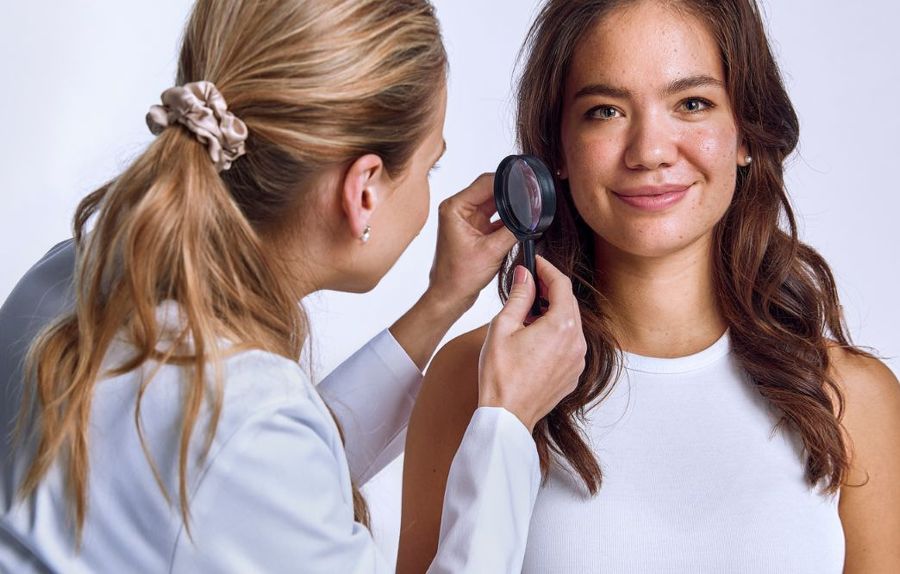
Most little spots on your skin aren’t a cause for alarm, but it’s smart to keep an eye on any changes. If you notice a spot that:
● Changes in colour, size, or shape
● Becomes painful, itchy, or starts to bleed
● Looks very different from your other spots (the “ugly duckling” rule)
It’s time to book a dermatologist appointment. Early detection is key, and professionals can guide you toward the best treatment options, whether it’s removal, creams, or just peace of mind.
Here’s the beauty in it all. Those spots on your skin tell a story. They’re reminders of sunny days, a few late nights, maybe even a bit of genetic legacy. Instead of stressing over every tiny mark, celebrate the skin you’re in and give it the care it deserves. Just embrace your skin’s story.